In the global conversation on healthcare systems, attention is often focused on clinical innovation, advanced technology, and specialized talent. Yet there is a less visible —but critically important— dimension that ultimately defines the real performance of a healthcare institution: the operational management that supports every patient interaction.
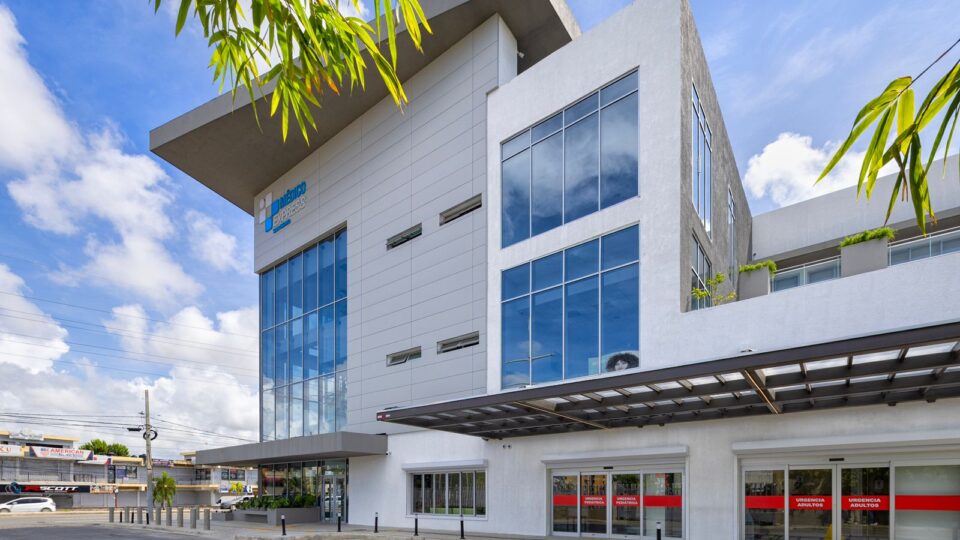
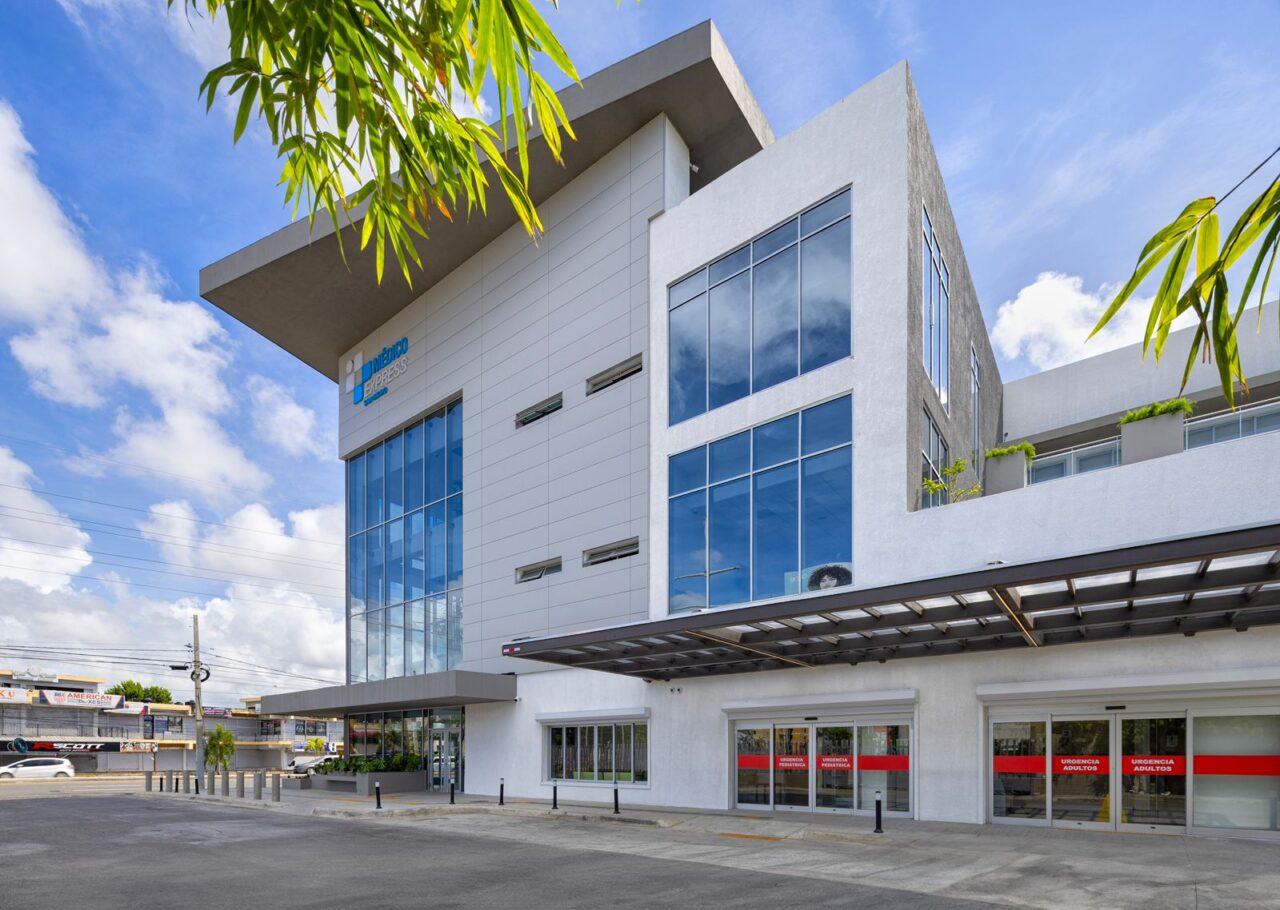
In practice, models like Médico Express in Santo Domingo Este, Dominican Republic, demonstrate how this dimension can become a true competitive advantage. Having served more than 100,000 patients, the center has developed a model where excellence is not an isolated outcome, but the result of a carefully designed system in which every process, team, and decision is aligned to deliver safe, efficient, human-centered, and sustainable care.
Managing a mid-complexity ambulatory center goes far beyond coordinating medical services. It requires orchestrating, in real time, a highly interdependent network of critical functions: maintenance, biomedical engineering, safety, logistics, supply chain, technology, patient experience, and risk management.
Each of these elements directly impacts clinical quality. Proper climate control is not just about comfort — it is infection control. Hospital cleaning is not aesthetics — it is patient safety. Inventory management is not administrative — it is continuity of care. Physical security and monitoring are not preventive — they are essential to patient protection.
In this context, operations management evolves from a support function into the central nervous system of the organization. As Wendy Silverio Contín, Operations and Logistics Manager at Médico Express, explains:
“Excellence in healthcare operations is never accidental. It is the result of thousands of aligned decisions, executed with precision and sustained over time. Our role is to ensure that everything works — even when it is not visible.”
Putting People at the Center: The Core of the Model
In this model, patient-centered care is not an additional component — it is the guiding principle behind every operational decision. At Médico Express, everything from facility design to patient flow, timing, and technology is structured around one fundamental objective: putting the patient at the center of the system.
This means not only addressing clinical needs, but also ensuring a safe, seamless, human, and dignified experience at every point of contact. Operations are no longer just about efficiency; they become a mechanism to build trust, comfort, and overall well-being for patients and their families.
One of the most underestimated factors in healthcare management is the ability to integrate high-performing multidisciplinary teams. At Médico Express, quality emerges from the effective collaboration between clinical teams, operations, imaging services, information technology, safety, and patient experience.
This approach breaks traditional silos and fosters a culture where every department understands its impact on outcomes. Excellence is not owned by a single team — it is the result of collective organizational intelligence.
The difference between organizations that claim quality and those that truly deliver it lies in discipline. At Médico Express, this is reflected in standardized and measurable protocols, integration between clinical and internal audits, continuous monitoring through key performance indicators, and proactive risk management. Quality becomes a continuous, dynamic, and measurable process.
ESG as a Strategic Framework for Healthcare Management
In today’s healthcare landscape, ESG (Environmental, Social & Governance) is no longer a narrative — it is a strategic framework that guides decision-making. At Médico Express, operations serve as the vehicle to integrate sustainability, social impact, and governance into everyday practice.
More than a trend, ESG strengthens quality, enhances patient experience, and supports long-term institutional sustainability.
Environmental: Efficiency that protects patients and the planet
Environmental sustainability is embedded into clinical operations through eco-efficient infrastructure, biophilic and neuroarchitectural design, energy-efficient lighting and climate systems, responsible water management, and comprehensive medical waste handling. Digital imaging and paperless processes further reduce environmental impact while improving efficiency.
Social: Access, well-being, and patient-centered care
The social dimension translates into tangible patient benefits: healing-centered environments, access to world-class medical technology in growing urban communities, preventive health programs, and certifications such as Fitwel, which validate the impact of the built environment on well-being.
Governance: Data-driven, ethical, and transparent decision-making
Governance is strengthened through electronic medical records, advanced analytics, and artificial intelligence, enabling informed, timely, and transparent decision-making. A strong culture of ethics, compliance, and best practices allows the organization to evolve into a predictive, resilient, and value-based system.
Operational Synergy as a Care Model
The concept of integrated, one-stop healthcare is only possible when true operational integration exists. At Médico Express, coordination across departments reduces waiting times, minimizes errors and redundancies, enhances patient experience, and optimizes resource utilization.
This level of synergy is not accidental — it is the result of intentional organizational design, strategic leadership, and a strong institutional culture.
Conclusion: Redefining Excellence in Healthcare
Experiences like this highlight a critical insight for healthcare leaders: excellence is not defined solely by technology or clinical expertise, but by the ability to integrate all system components in a coherent, efficient, and sustainable way.
As Wendy Silverio Contín emphasizes:
“Our commitment is simple, yet deeply demanding: every patient must receive impeccable care. To achieve this, everything behind the scenes must function with precision, coordination, and purpose.”
In a context defined by rising costs, growing demand, and the need for sustainability, the true competitive advantage will not belong to those with more resources, but to those who manage them more effectively.
Because in healthcare, true excellence is not always visible… but it is always felt.